- Attenborough.film
- Compare
- 100L5F-A12 vs HD29HST
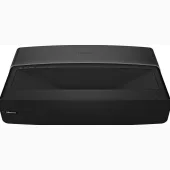
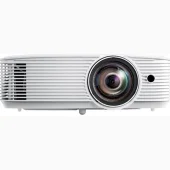
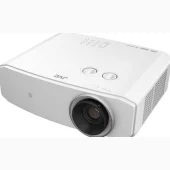
Hisense 100L5F-A12 vs Optoma HD29HST
What 100L5F-A12 does better (5) and where HD29HST wins (2) — every spec side by side.
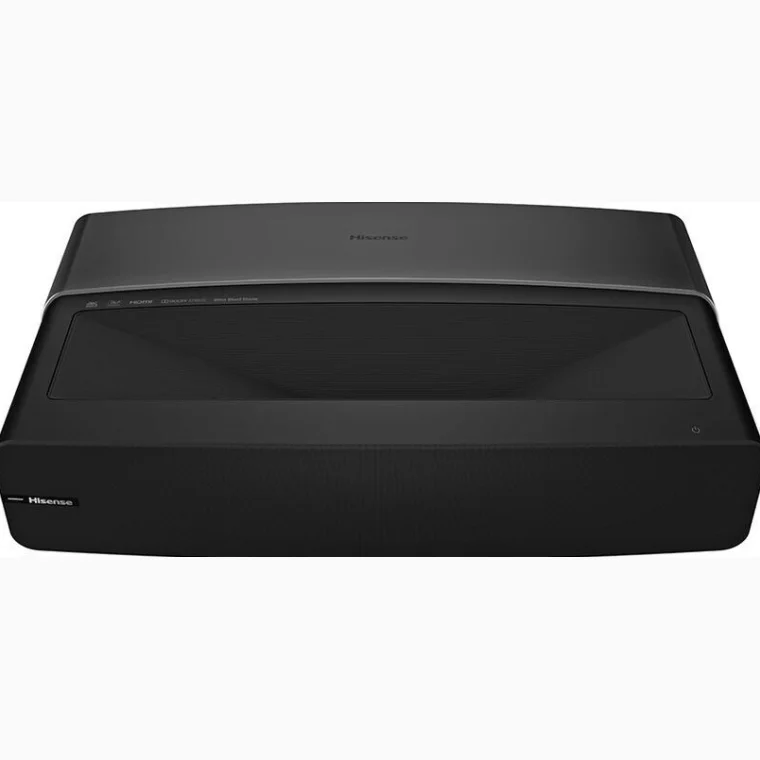
vs
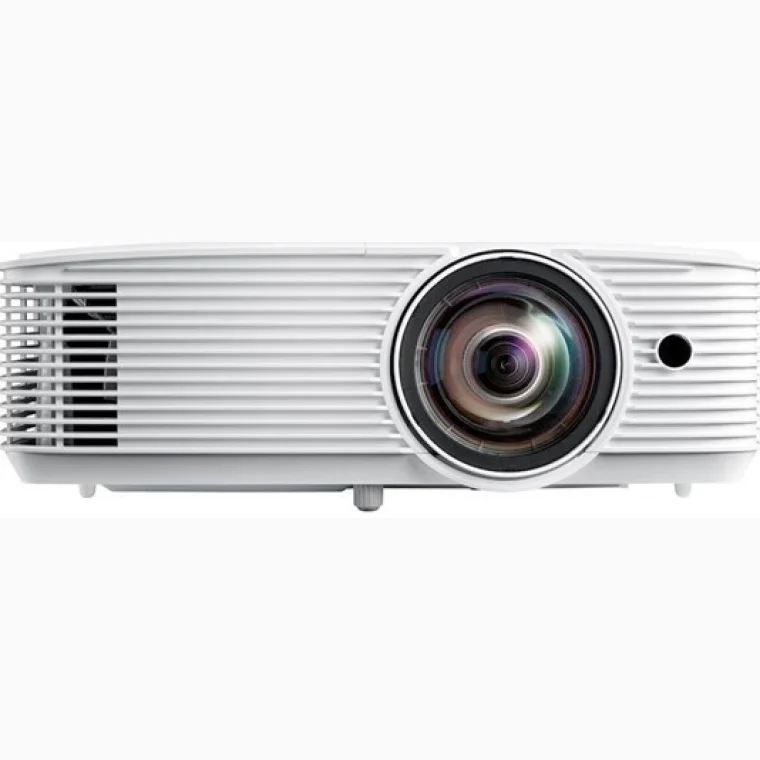
6.0Picture5.0
9.4Noise, lifetime & portability9.0
Why is 100L5F-A12 better than HD29HST?
- Resolution (on screen)3840 × 2160 (4K UHD) vs 1920 × 1080 (Full HD)
- 4K method4K by pixel shifting vs 4K input only (downscaled)
- HDMI inputs4 vs 22×
- Ethernet (LAN)Yes · HD29HST: No
- Fan noise25 dB vs 26 dB+4%
Why is HD29HST better than 100L5F-A12?
- Brightness (ANSI / ISO lumens)2,700 lm vs 4,000 lm+48%
- Largest image size100″ vs 307″3.1×
Specifications
Side by side
| Picture | ||
| Resolution (on screen) | 3840 × 2160 (4K UHD) | 1920 × 1080 (Full HD) |
| Native panel resolution | 1920 × 1080 (Full HD) | 1920 × 1080 (Full HD) |
| 4K method | 4K by pixel shifting | 4K input only (downscaled) |
| Display technology | DLP | DLP |
| Light source | Laser | — |
| Brightness (ANSI / ISO lumens) | 2,700 lm | 4,000 lm |
| Contrast ratio (dynamic / claimed) | — | 50,000:1 |
| HDR support | — | Yes |
| 3D playback | — | Yes |
| Gaming | ||
| Maximum refresh rate | — | 120 Hz |
| Game / low-latency mode | — | Yes |
| Lens & placement | ||
| Throw ratio | — | 0.49:1 |
| Throw type | — | Short throw (0.4–1.0:1) |
| Distance for a 100″ 16:9 image | — | 1.08 m |
| Smallest image size | — | 36″ |
| Largest image size | 100″ | 307″ |
| Lens shift | — | None |
| Keystone correction | — | Yes |
| Automatic keystone correction | — | No |
| Sound | ||
| Built-in speakers (total output) | — | 10 W |
| Smart & streaming | ||
| Wi-Fi | Yes | Yes |
| Bluetooth | Yes | — |
| Connectivity | ||
| HDMI inputs | 4 | 2 |
| HDMI version | — | 2 |
| USB port | Yes | Yes |
| Ethernet (LAN) | Yes | No |
| VGA input | Yes | Yes |
| Audio output | Yes | Yes |
| Battery, power & lifetime | ||
| Power consumption | — | 285 W |
| Light source life | 25,000 h | — |
| Light source life (eco mode) | — | 15,000 h |
| Design & noise | ||
| Fan noise | 25 dB | 26 dB |
| Weight | — | 3 kg |
| Width | — | 316 mm |
| Height | — | 108 mm |
| Depth | — | 244 mm |
| Colours | — | White |