- Attenborough.film
- Compare
- L9Q DLP Tri-Laser vs UHR90DV
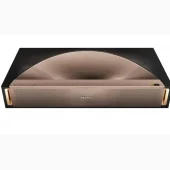
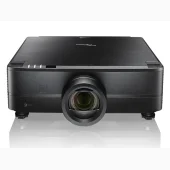
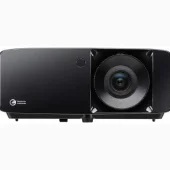
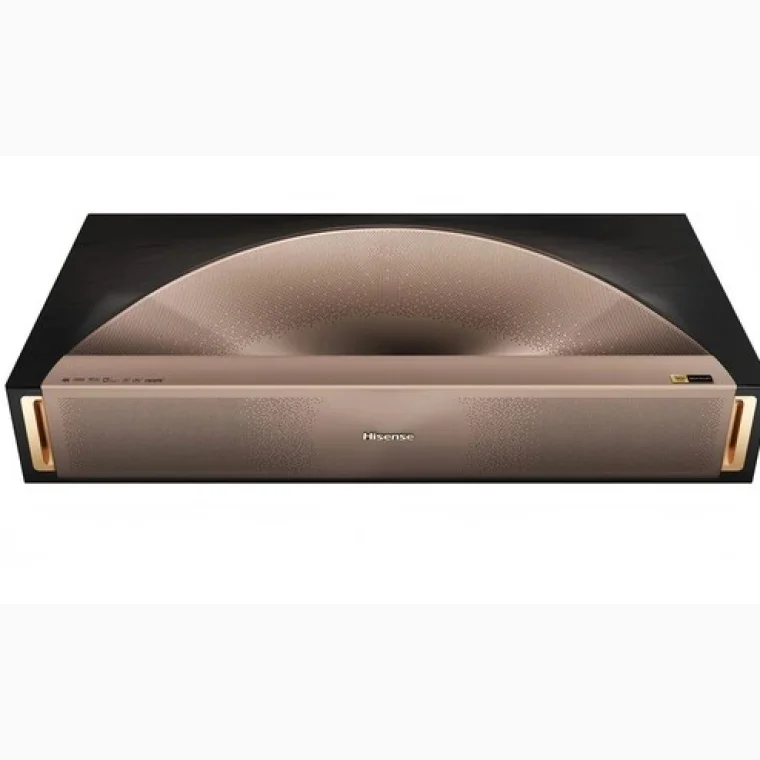
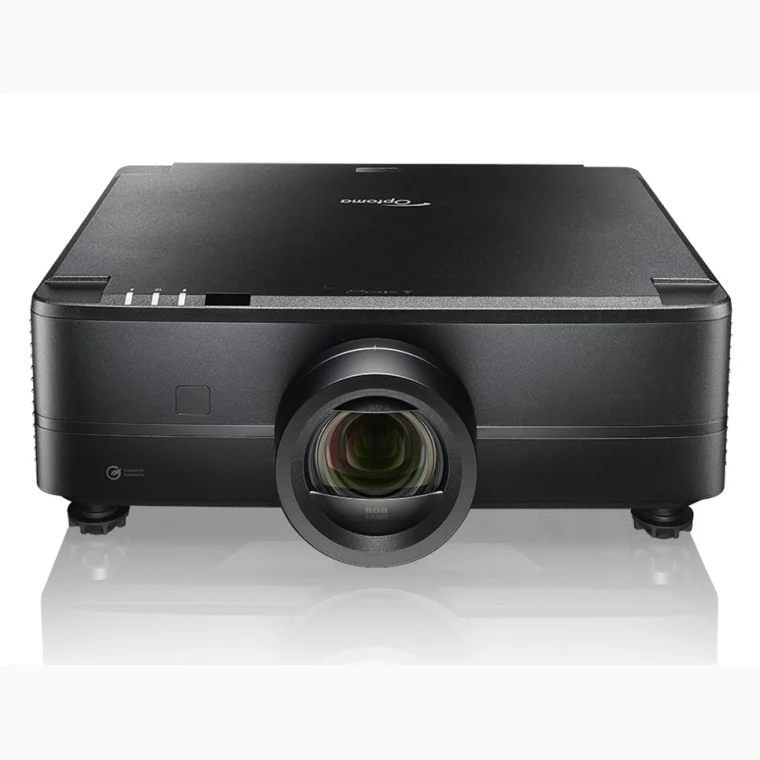
Hisense L9Q DLP Tri-Laser vs Optoma UHR90DV
What L9Q DLP Tri-Laser does better (1) and where UHR90DV wins (0) — every spec side by side.
9.3Picture9.4
Why is L9Q DLP Tri-Laser better than UHR90DV?
- Weight12.9 kg vs 14.8 kg+15%
Why is UHR90DV better than L9Q DLP Tri-Laser?
UHR90DV has no measurable advantages in this pair.
Specifications
Side by side
| Picture | ||
| Resolution (on screen) | 3840 × 2160 (4K UHD) | 3840 × 2160 (4K UHD) |
| Native panel resolution | 1920 × 1080 (Full HD) | 1920 × 1080 (Full HD) |
| 4K method | 4K by pixel shifting | 4K by pixel shifting |
| Display technology | DLP | DLP |
| Light source | Laser | Laser |
| Brightness (ANSI / ISO lumens) | 5,000 lm | 5,000 lm |
| Contrast ratio (dynamic / claimed) | 5,000:1 | — |
| HDR support | — | Yes |
| HDR formats | — | HDR10+, HLG, Dolby Vision |
| Dolby Vision | — | Yes |
| 3D playback | — | Yes |
| Gaming | ||
| Game / low-latency mode | — | Yes |
| Lens & placement | ||
| Throw ratio | — | 1.25:1 |
| Throw ratio (zoomed in) | — | 2:1 |
| Throw type | — | Standard throw (1.0:1 and longer) |
| Distance for a 100″ 16:9 image | — | 2.77 m |
| Optical zoom | — | 1.6× |
| Keystone correction | — | Yes |
| Automatic keystone correction | — | No |
| Connectivity | ||
| HDMI inputs | — | 1 |
| HDMI version | 2.1 | — |
| USB port | — | Yes |
| Design & noise | ||
| Fan noise | — | 28 dB |
| Weight | 12.9 kg | 14.8 kg |
| Width | — | 486 mm |
| Height | 166 mm | 186 mm |
| Depth | 317 mm | 432 mm |
| Colours | Black | — |