- Attenborough.film
- Compare
- L9Q DLP Tri-Laser vs GamePix 800
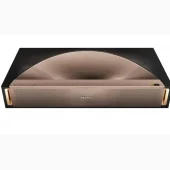
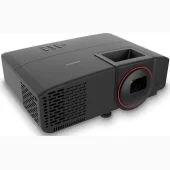
Hisense L9Q DLP Tri-Laser vs Philips GamePix 800
What L9Q DLP Tri-Laser does better (3) and where GamePix 800 wins (1) — every spec side by side.
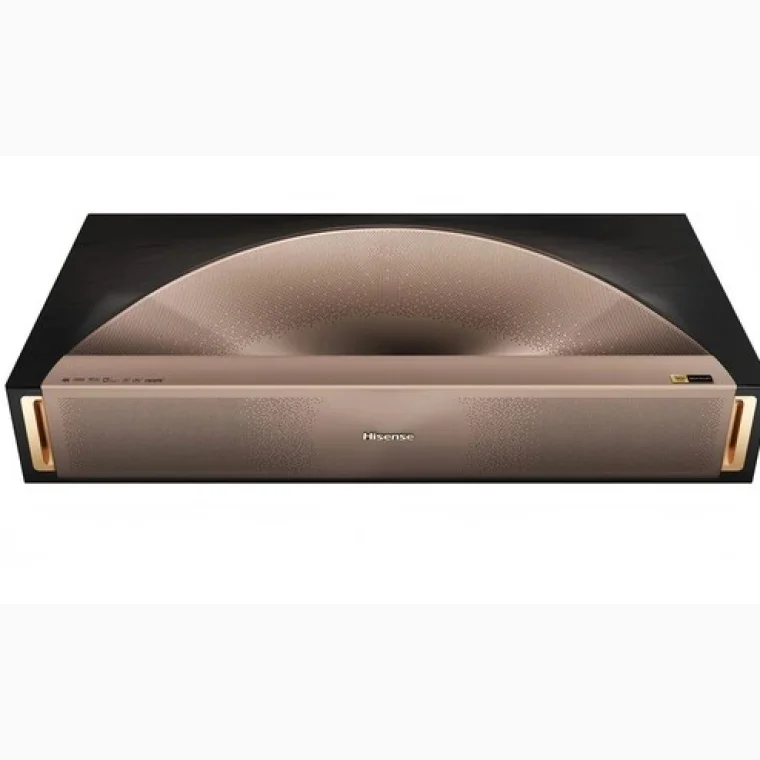
vs
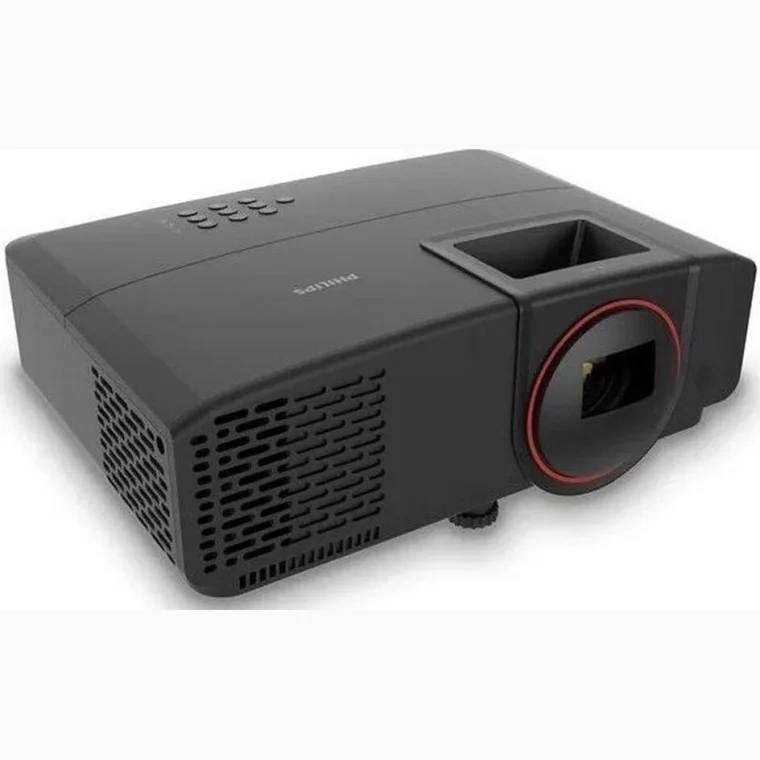
9.3Picture3.4
Why is L9Q DLP Tri-Laser better than GamePix 800?
- Brightness (ANSI / ISO lumens)5,000 lm vs 2,500 lm2×
- Resolution (on screen)3840 × 2160 (4K UHD) vs 1920 × 1080 (Full HD)
- Contrast ratio (dynamic / claimed)5,000:1 vs 1,500:13.3×
Why is GamePix 800 better than L9Q DLP Tri-Laser?
- Weight12.9 kg vs 2.7 kg4.8×
Specifications
Side by side
| Picture | ||
| Resolution (on screen) | 3840 × 2160 (4K UHD) | 1920 × 1080 (Full HD) |
| Native panel resolution | 1920 × 1080 (Full HD) | 1920 × 1080 (Full HD) |
| 4K method | 4K by pixel shifting | — |
| Display technology | DLP | DLP |
| Light source | Laser | LED |
| Brightness (ANSI / ISO lumens) | 5,000 lm | 2,500 lm |
| Contrast ratio (dynamic / claimed) | 5,000:1 | 1,500:1 |
| Lens & placement | ||
| Autofocus | — | No |
| Keystone correction | — | Yes |
| Automatic keystone correction | — | No |
| Sound | ||
| Built-in speakers (total output) | — | 5 W |
| Connectivity | ||
| HDMI inputs | — | 2 |
| HDMI version | 2.1 | — |
| USB port | — | Yes |
| Ethernet (LAN) | — | No |
| VGA input | — | No |
| Audio output | — | Yes |
| Battery, power & lifetime | ||
| Light source life | — | 30,000 h |
| Design & noise | ||
| Weight | 12.9 kg | 2.7 kg |
| Width | — | 302 mm |
| Height | 166 mm | 99 mm |
| Depth | 317 mm | 170 mm |
| Colours | Black | — |