- Attenborough.film
- Compare
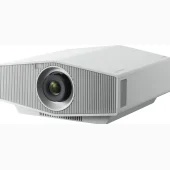
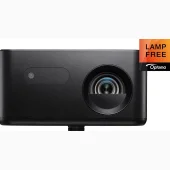
- L9Q DLP Tri-Laser vs VPL-XW8100ES
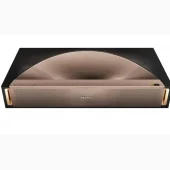
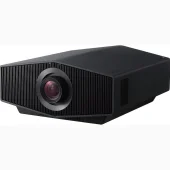
Hisense L9Q DLP Tri-Laser vs Sony VPL-XW8100ES
What L9Q DLP Tri-Laser does better (2) and where VPL-XW8100ES wins (2) — every spec side by side.
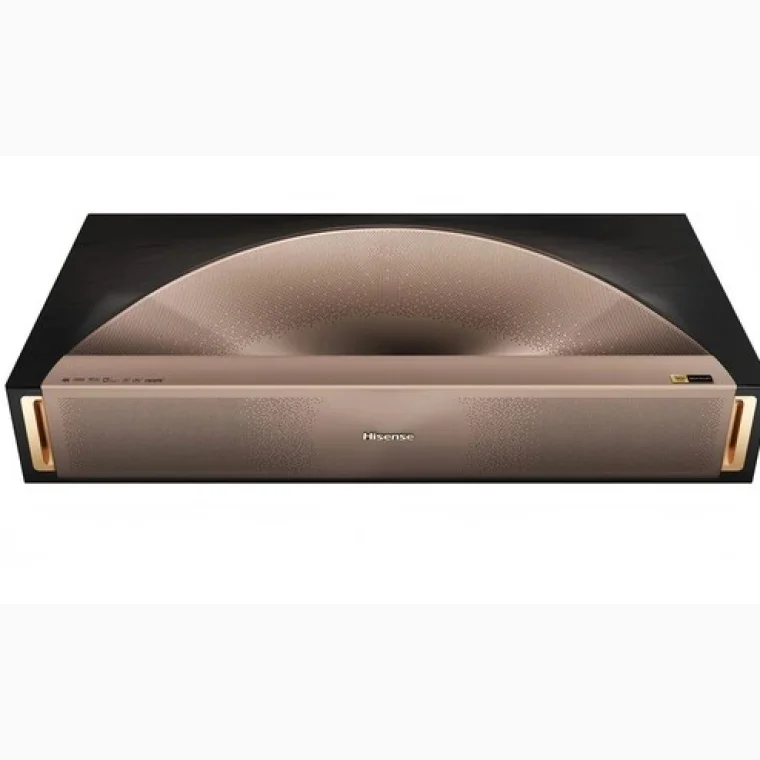
vs
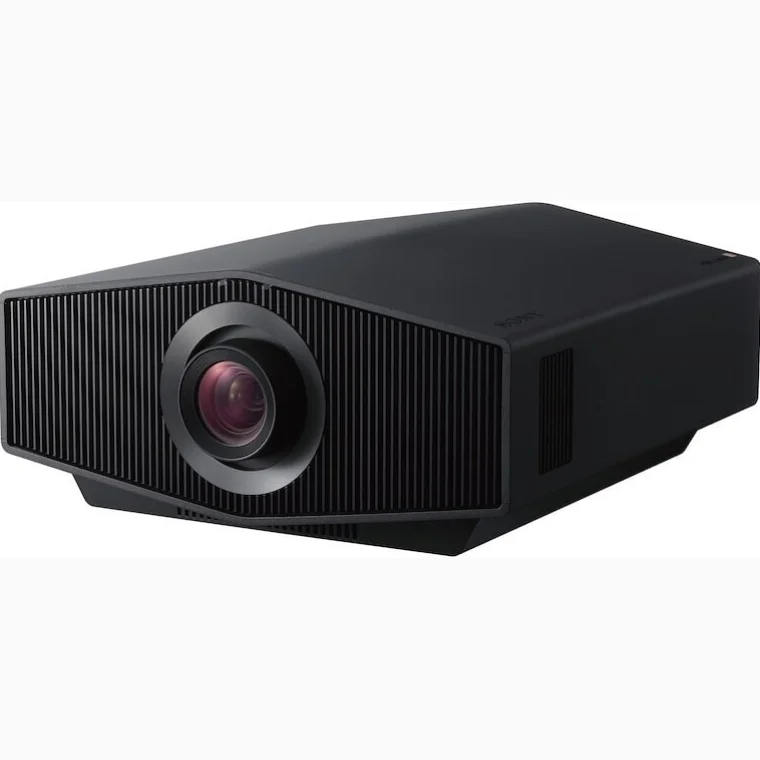
9.3Picture8.1
Why is L9Q DLP Tri-Laser better than VPL-XW8100ES?
- Brightness (ANSI / ISO lumens)5,000 lm vs 3,400 lm+47%
- Weight12.9 kg vs 14 kg+9%
Why is VPL-XW8100ES better than L9Q DLP Tri-Laser?
- Native panel resolution1920 × 1080 (Full HD) vs 3840 × 2160 (4K UHD)
- 4K method4K by pixel shifting vs Native 4K
Specifications
Side by side
| Picture | ||
| Resolution (on screen) | 3840 × 2160 (4K UHD) | 3840 × 2160 (4K UHD) |
| Native panel resolution | 1920 × 1080 (Full HD) | 3840 × 2160 (4K UHD) |
| 4K method | 4K by pixel shifting | Native 4K |
| Display technology | DLP | LCoS (SXRD / D-ILA) |
| Light source | Laser | Laser |
| Brightness (ANSI / ISO lumens) | 5,000 lm | 3,400 lm |
| Contrast ratio (dynamic / claimed) | 5,000:1 | — |
| HDR support | — | Yes |
| HDR formats | — | HDR10, HLG |
| Motion interpolation (MEMC) | — | Yes |
| Lens & placement | ||
| Throw ratio | — | 1.35:1 |
| Throw ratio (zoomed in) | — | 2.84:1 |
| Throw type | — | Standard throw (1.0:1 and longer) |
| Distance for a 100″ 16:9 image | — | 2.99 m |
| Optical zoom | — | 2.1× |
| Lens shift | — | Vertical and horizontal |
| Autofocus | — | No |
| Keystone correction | — | Yes |
| Automatic keystone correction | — | No |
| Connectivity | ||
| HDMI inputs | — | 2 |
| HDMI version | 2.1 | — |
| USB port | — | Yes |
| Ethernet (LAN) | — | Yes |
| VGA input | — | No |
| Audio output | — | No |
| Battery, power & lifetime | ||
| Power consumption | — | 420 W |
| Design & noise | ||
| Fan noise | — | 33 dB |
| Fan noise (eco mode) | — | 26 dB |
| Weight | 12.9 kg | 14 kg |
| Width | — | 460 mm |
| Height | 166 mm | 210 mm |
| Depth | 317 mm | 517 mm |
| Colours | Black | — |