- Attenborough.film
- Compare
- L9Q DLP Tri-Laser vs LX750-4KB
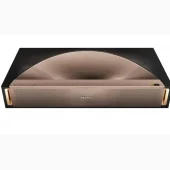
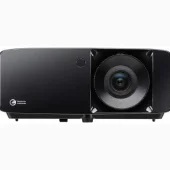
Hisense L9Q DLP Tri-Laser vs ViewSonic LX750-4KB
What L9Q DLP Tri-Laser does better (2) and where LX750-4KB wins (1) — every spec side by side.
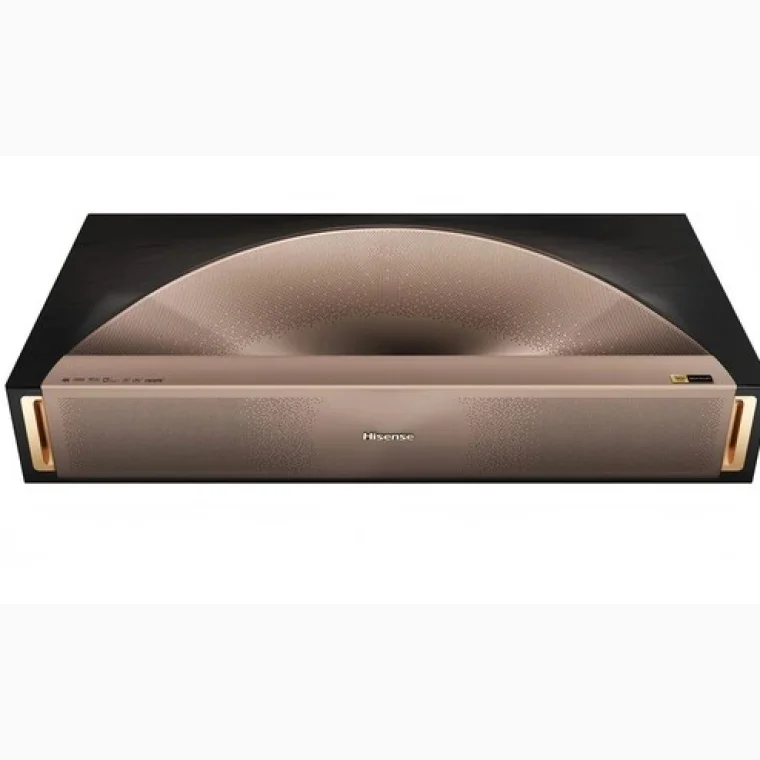
vs

9.3Picture9.0
Why is L9Q DLP Tri-Laser better than LX750-4KB?
- Brightness (ANSI / ISO lumens)5,000 lm vs 4,000 lm+25%
- HDMI version2.1 vs 2+5%
Why is LX750-4KB better than L9Q DLP Tri-Laser?
- Weight12.9 kg vs 3.5 kg3.7×
Specifications
Side by side
| Picture | ||
| Resolution (on screen) | 3840 × 2160 (4K UHD) | 3840 × 2160 (4K UHD) |
| Native panel resolution | 1920 × 1080 (Full HD) | 1920 × 1080 (Full HD) |
| 4K method | 4K by pixel shifting | 4K by pixel shifting |
| Display technology | DLP | DLP |
| Light source | Laser | Laser |
| Brightness (ANSI / ISO lumens) | 5,000 lm | 4,000 lm |
| Contrast ratio (dynamic / claimed) | 5,000:1 | — |
| Gaming | ||
| Maximum refresh rate | — | 240 Hz |
| Lens & placement | ||
| Largest image size | — | 300″ |
| Autofocus | — | No |
| Smart & streaming | ||
| Internal storage | — | 8 GB |
| Connectivity | ||
| HDMI inputs | — | 1 |
| HDMI version | 2.1 | 2 |
| USB port | — | No |
| Ethernet (LAN) | — | No |
| VGA input | — | No |
| Audio output | — | No |
| Battery, power & lifetime | ||
| Light source life | — | 20,000 h |
| Design & noise | ||
| Fan noise | — | 33 dB |
| Fan noise (eco mode) | — | 27 dB |
| Weight | 12.9 kg | 3.5 kg |
| Width | — | 312 mm |
| Height | 166 mm | 104 mm |
| Depth | 317 mm | 234 mm |
| Colours | Black | White |