- Attenborough.film
- Compare
- PX3 Pro vs UHZ68LV-W
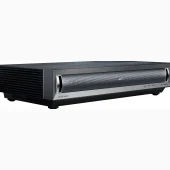
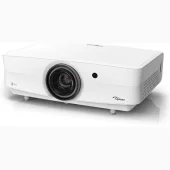
Hisense PX3 Pro vs Optoma UHZ68LV-W
What PX3 Pro does better (1) and where UHZ68LV-W wins (2) — every spec side by side.
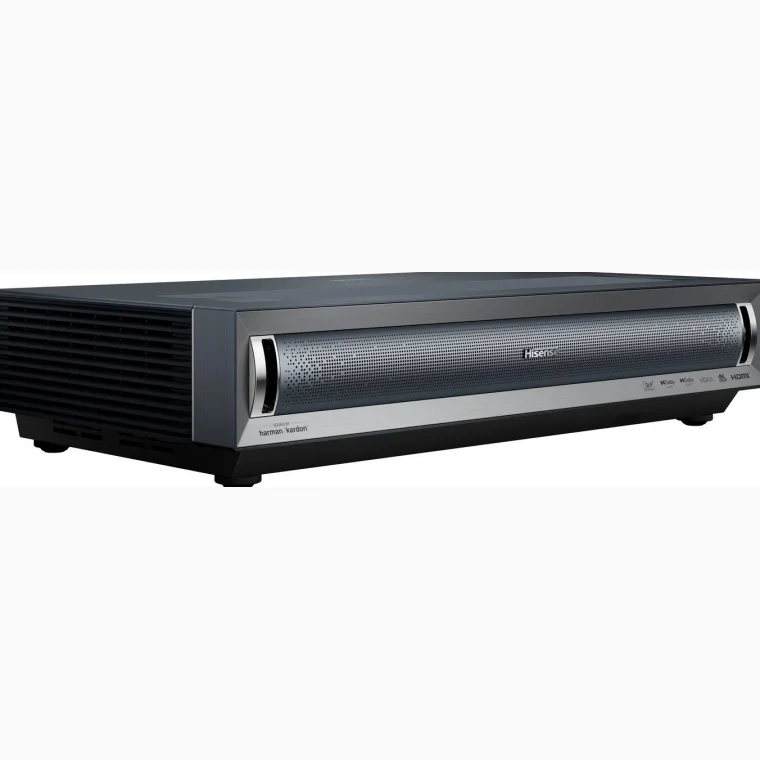
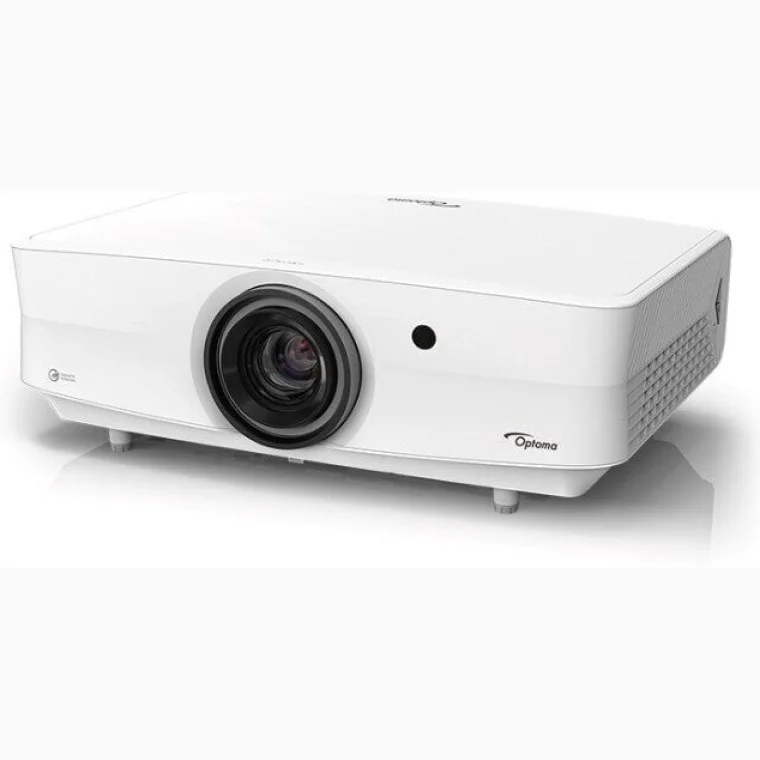
Why is PX3 Pro better than UHZ68LV-W?
- Light source life25,000 h vs 20,000 h+25%
Why is UHZ68LV-W better than PX3 Pro?
- Brightness (ANSI / ISO lumens)3,000 lm vs 5,000 lm+67%
- Largest image size150″ vs 302″2×
Specifications
Side by side
| Picture | ||
| Resolution (on screen) | 3840 × 2160 (4K UHD) | 3840 × 2160 (4K UHD) |
| Native panel resolution | 1920 × 1080 (Full HD) | 1920 × 1080 (Full HD) |
| 4K method | 4K by pixel shifting | 4K by pixel shifting |
| Display technology | DLP | DLP |
| Light source | RGB triple laser | Laser |
| Brightness (ANSI / ISO lumens) | 3,000 lm | 5,000 lm |
| Contrast ratio (dynamic / claimed) | 200,000:1 | — |
| HDR support | — | Yes |
| HDR formats | — | HDR10+, HDR10, Dolby Vision |
| Dolby Vision | — | Yes |
| Motion interpolation (MEMC) | — | Yes |
| Gaming | ||
| Maximum refresh rate | — | 120 Hz |
| Game / low-latency mode | — | Yes |
| Lens & placement | ||
| Throw ratio | — | 1.2:1 |
| Throw ratio (zoomed in) | — | 1.92:1 |
| Throw type | — | Standard throw (1.0:1 and longer) |
| Distance for a 100″ 16:9 image | — | 2.66 m |
| Smallest image size | 80″ | — |
| Largest image size | 150″ | 302″ |
| Optical zoom | — | 1.6× |
| Lens shift | — | Vertical |
| Autofocus | No | — |
| Sound | ||
| Built-in speakers (total output) | — | 8 W |
| Smart & streaming | ||
| Smart platform | VIDAA | — |
| Built-in smart platform | Yes | — |
| Netflix (officially licensed) | Yes | — |
| Connectivity | ||
| HDMI inputs | — | 3 |
| HDMI eARC | — | Yes |
| USB port | — | Yes |
| Ethernet (LAN) | — | Yes |
| VGA input | — | No |
| Audio output | — | Yes |
| Battery, power & lifetime | ||
| Light source life | 25,000 h | 20,000 h |
| Design & noise | ||
| Fan noise | — | 31 dB |
| Fan noise (eco mode) | — | 25 dB |
| Weight | 9 kg | — |
| Colours | Black | White |