- Attenborough.film
- Compare
- TH575C vs LSD400HD
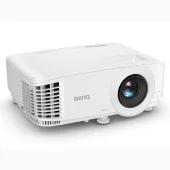
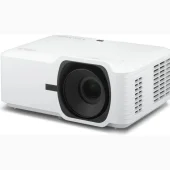
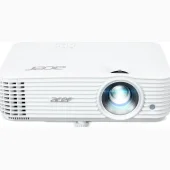
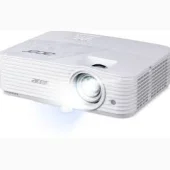
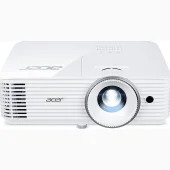
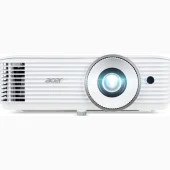
BenQ TH575C vs ViewSonic LSD400HD
What TH575C does better (2) and where LSD400HD wins (3) — every spec side by side.
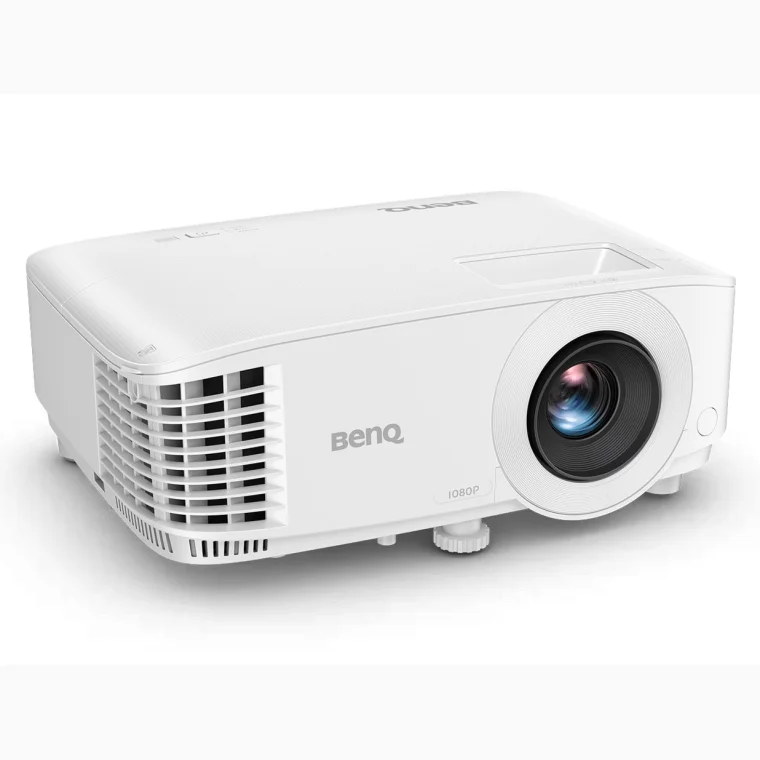
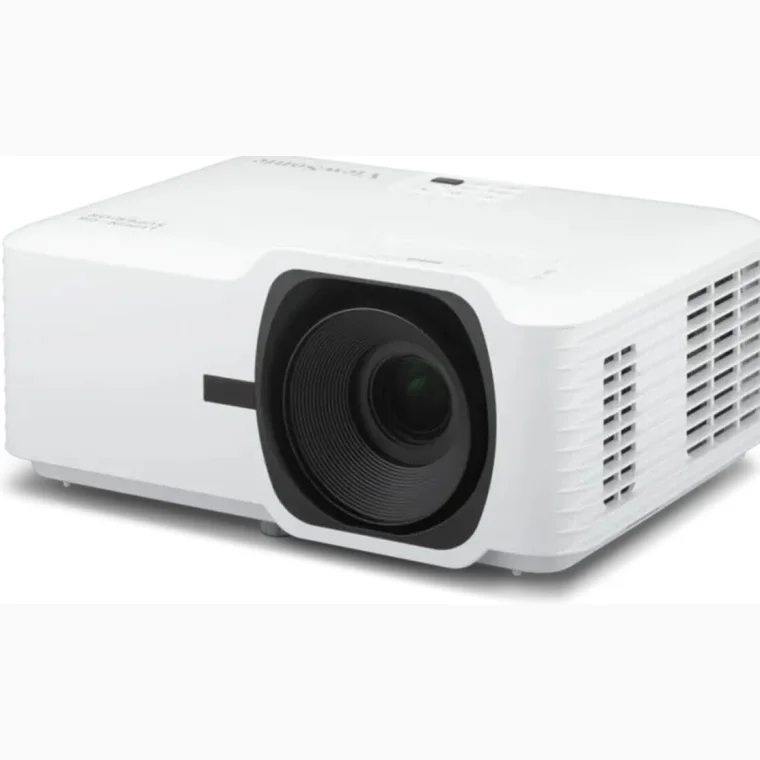
Dimensions
Size comparison
TH575CLSD400HD
| TH575C | LSD400HD | Difference | |
|---|---|---|---|
| Height | 120 mm | 129 mm | −9 mm |
| Width | 296 mm | 280 mm | +16 mm |
| Depth | 237 mm | 216 mm | +21 mm |
| Weight | 2.3 kg | 3 kg | −0.7 kg |
Drawn to the same scale from the official dimensions (front and side).
Why is TH575C better than LSD400HD?
- Automatic keystone correctionYes · LSD400HD: No
- Weight2.3 kg vs 3 kg+30%
Why is LSD400HD better than TH575C?
- Brightness (ANSI / ISO lumens)3,800 lm vs 4,400 lm+16%
- HDMI inputs1 vs 22×
- Fan noise34 dB vs 32 dB+6%
Specifications
Side by side
| Picture | ||
| Resolution (on screen) | — | 1920 × 1080 (Full HD) |
| Native panel resolution | — | 1920 × 1080 (Full HD) |
| Display technology | DLP | DLP |
| Light source | Lamp | Laser |
| Brightness (ANSI / ISO lumens) | 3,800 lm | 4,400 lm |
| Contrast ratio (dynamic / claimed) | — | 3,000,000:1 |
| 3D playback | Yes | — |
| Gaming | ||
| Maximum refresh rate | — | 120 Hz |
| Game / low-latency mode | Yes | — |
| Lens & placement | ||
| Throw ratio | 1.49:1 | 1.48:1 |
| Throw ratio (zoomed in) | 1.64:1 | 1.62:1 |
| Throw type | Standard throw (1.0:1 and longer) | Standard throw (1.0:1 and longer) |
| Distance for a 100″ 16:9 image | 3.3 m | 3.28 m |
| Smallest image size | — | 30″ |
| Largest image size | — | 300″ |
| Optical zoom | 1.1× | — |
| Lens shift | — | None |
| Keystone correction | Yes | Yes |
| Automatic keystone correction | Yes | No |
| Connectivity | ||
| HDMI inputs | 1 | 2 |
| HDMI version | — | 2 |
| USB port | — | Yes |
| Ethernet (LAN) | — | No |
| VGA input | — | No |
| Audio output | — | Yes |
| Battery, power & lifetime | ||
| Light source life | — | 30,000 h |
| Light source life (eco mode) | — | 20,000 h |
| Design & noise | ||
| Fan noise | 34 dB | 32 dB |
| Fan noise (eco mode) | — | 27 dB |
| Weight | 2.3 kg | 3 kg |
| Width | 296 mm | 280 mm |
| Height | 120 mm | 129 mm |
| Depth | 237 mm | 216 mm |
| Colours | — | White |