- Attenborough.film
- Compare
- Luma 150 vs 58BHD2500
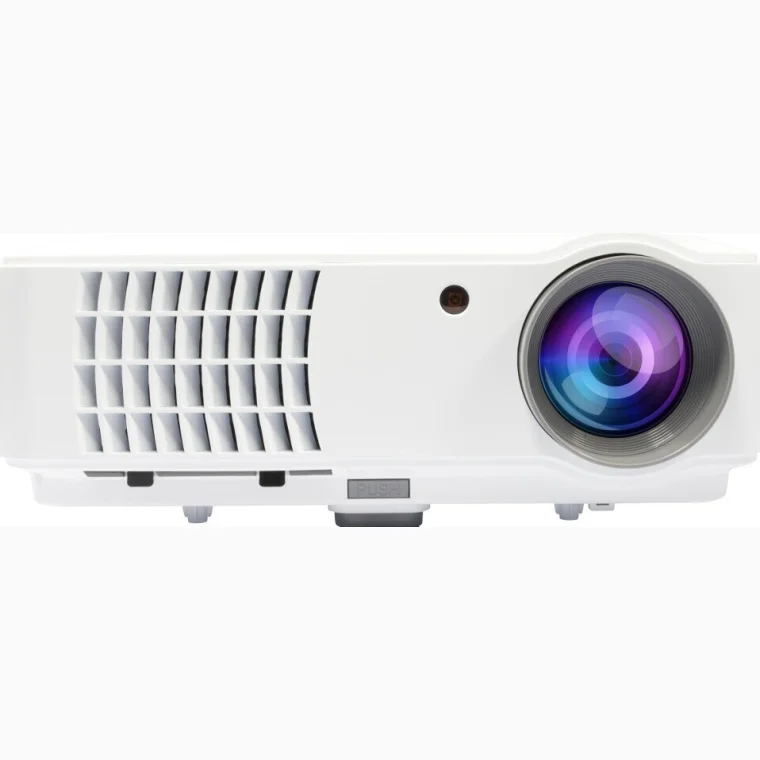
Kodak Luma 150 vs Salora 58BHD2500
What Luma 150 does better (0) and where 58BHD2500 wins (4) — every spec side by side.
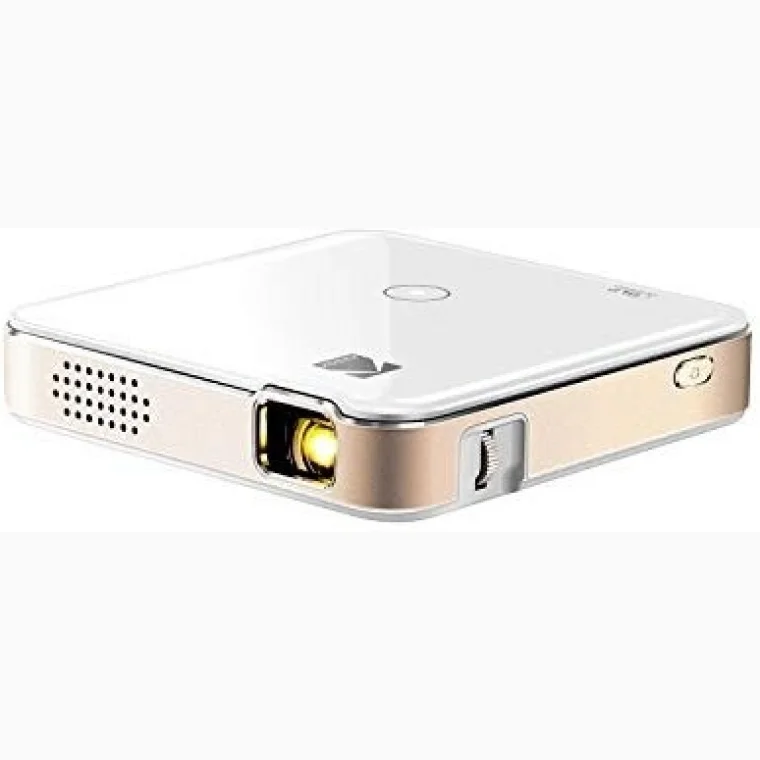
Why is Luma 150 better than 58BHD2500?
Luma 150 has no measurable advantages in this pair.
Why is 58BHD2500 better than Luma 150?
- Resolution (on screen)854 × 480 (480p) vs 1920 × 1080 (Full HD)
- Native panel resolution854 × 480 (480p) vs 1920 × 1080 (Full HD)
- HDMI inputs1 vs 22×
- Largest image size150″ vs 200″+33%
Specifications
Side by side
| Picture | ||
| Resolution (on screen) | 854 × 480 (480p) | 1920 × 1080 (Full HD) |
| Native panel resolution | 854 × 480 (480p) | 1920 × 1080 (Full HD) |
| Display technology | DLP | — |
| Light source | — | LED |
| Brightness (ANSI / ISO lumens) | 150 lm | — |
| Claimed brightness (LED / light-source lumens) | — | 2,500 lm |
| Contrast ratio (dynamic / claimed) | 1,500:1 | 1,500:1 |
| Lens & placement | ||
| Smallest image size | — | 50″ |
| Largest image size | 150″ | 200″ |
| Smart & streaming | ||
| Wi-Fi | Yes | — |
| Connectivity | ||
| HDMI inputs | 1 | 2 |
| USB port | Yes | Yes |
| Ethernet (LAN) | No | No |
| VGA input | No | Yes |
| Audio output | No | No |
| Battery, power & lifetime | ||
| Light source life | — | 50,000 h |
| Design & noise | ||
| Fan noise | — | 25 dB |
| Colours | — | White |